



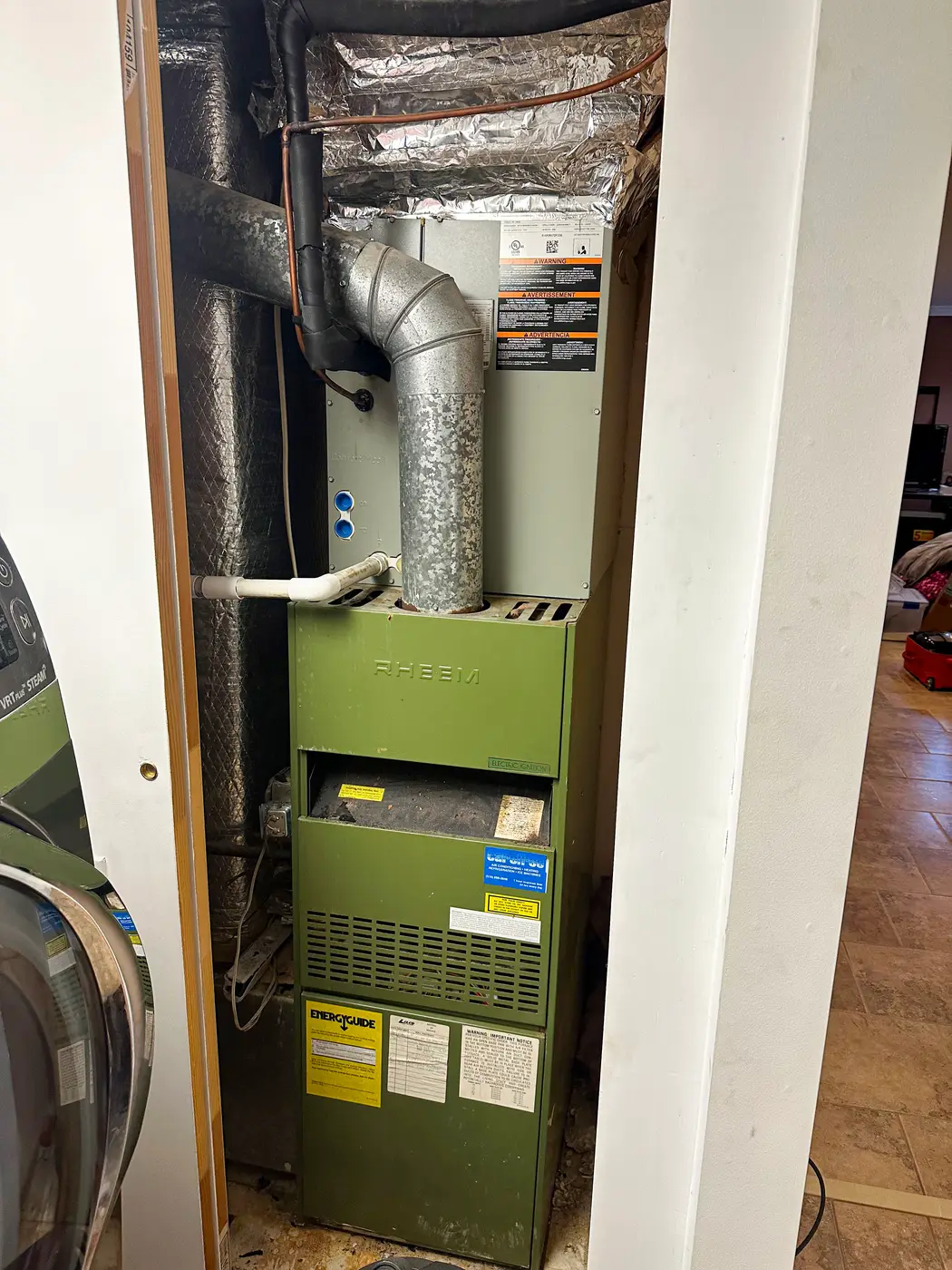
If your furnace is under about fifteen years old and one part has failed, repair it. If the heat exchanger is cracked, replace it. Most decisions fall somewhere between those two, and the checklist below is how we work them out with customers across Long Island.
One thing first, because it saves people the most money: a lot of furnaces get replaced for problems that were never the furnace. If your complaint is that some rooms stay cold, skip to that section before you spend anything.
Repair it if…
- One component has failed. Igniters, flame sensors, blower motors, capacitors, inducer motors, control boards and thermostats all wear out on their own schedule. Replacing one gives you a working furnace, not a patched one.
- The furnace is well inside its working life. With regular maintenance, most last fifteen to twenty years. Age alone is not a reason to replace.
- This is the first real breakdown in years. A furnace with a good service history and one bad winter is a repair.
- The house heats evenly when it runs. That tells you the system is sized and laid out properly, which is the expensive part to get right.
Start talking about replacement if…
- The heat exchanger is cracked. The heat exchanger keeps combustion gases out of the air you breathe. A crack is a carbon monoxide risk and it cannot be repaired. This one is not a judgment call.
- It has needed a call every winter for three years running. At that point you are paying for a new furnace in instalments and still have an old one.
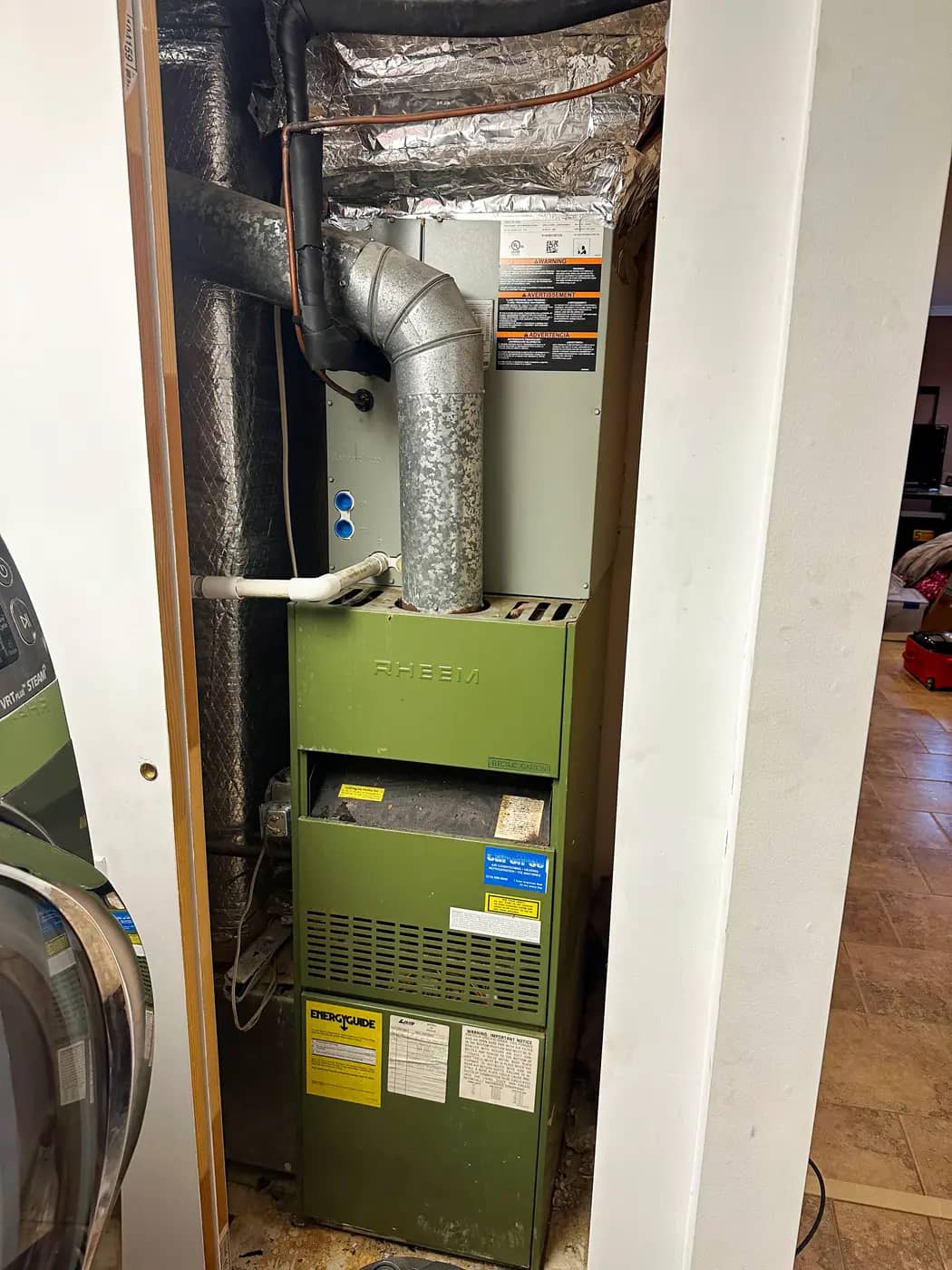
- It is past twenty and something major has gone. A failed blower or control board on an old unit, especially one where parts are getting hard to find, is where repair stops being good value.
- Your heating bills keep climbing and the unit is old and low-efficiency. An older furnace sends a meaningful share of the fuel up the flue. In a house that runs heat hard, that adds up every season.
The problem a new furnace will not fix
A furnace heats air and pushes it through ductwork, so half of how well your house heats depends on the ducts, not the box in the basement. Leaking ducts lose heat into the attic or crawlspace. Runs added for an extension are often too small. Rooms at the end of a long run never get their share.
Put a brand new furnace on the same ductwork and you get the same cold bedroom, with a bigger bill for the privilege. We look at the distribution before we quote a furnace, and because we do that work too, fixing the ducts is the same team. Sometimes the honest answer is that your furnace is fine and the money should go into the ducts instead.
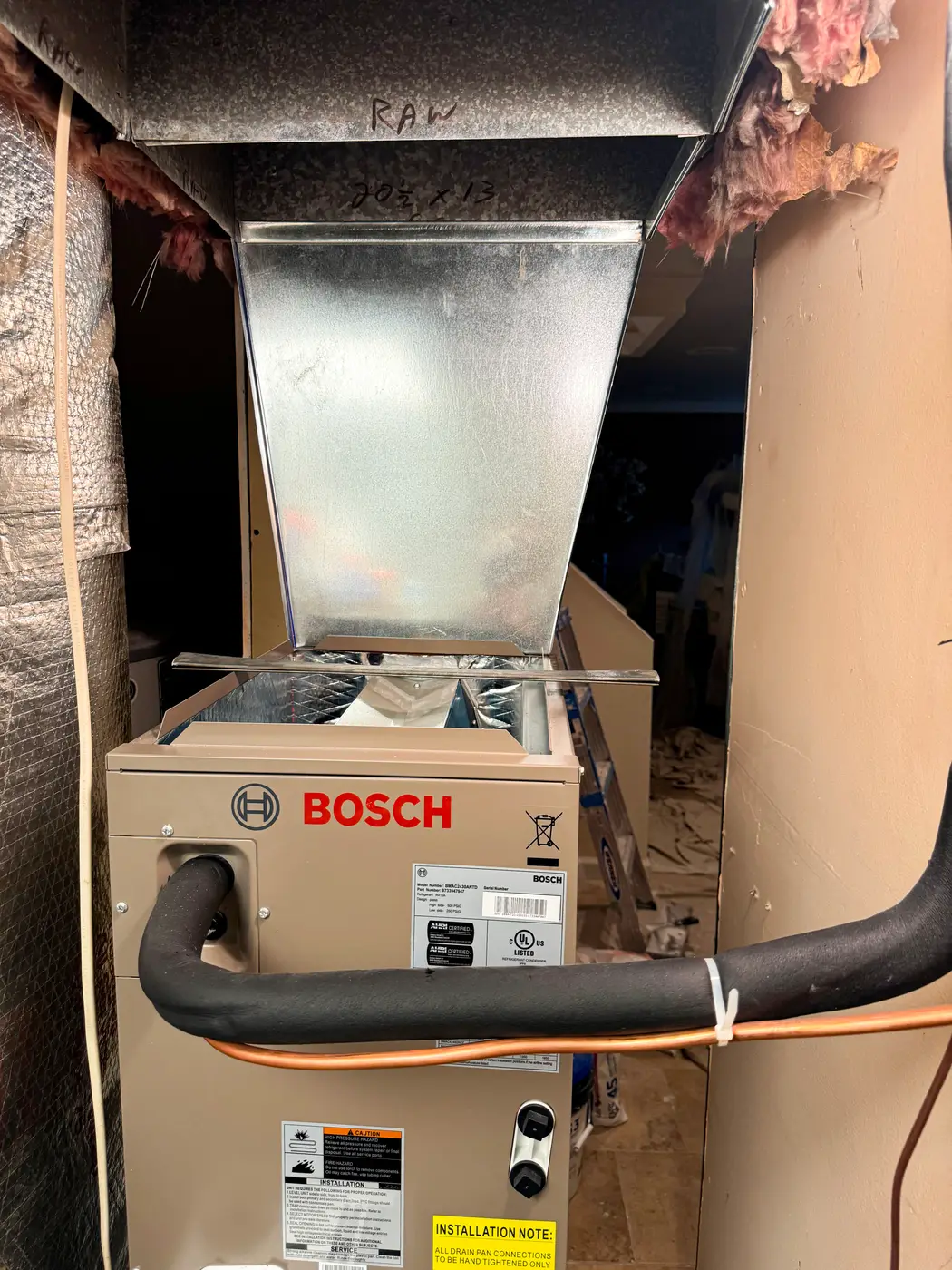
If you do replace, size it properly
A replacement should be sized from a heat loss calculation for your house: its insulation, windows and layout. Not from the label on the old unit, and not from a rule of thumb. An oversized furnace short-cycles, heats unevenly and wears out sooner. That calculation is part of every furnace we install, along with the venting and gas connection by our TASK 86/87 certified staff.
Not sure which side of the line yours is on? We will diagnose it and give you both options with the reasoning, including when the answer is to keep the furnace you have. Call 631-587-0085, use the form above, or read more about our furnace repair and installation. We cover the whole of Nassau and Suffolk, including Islip.